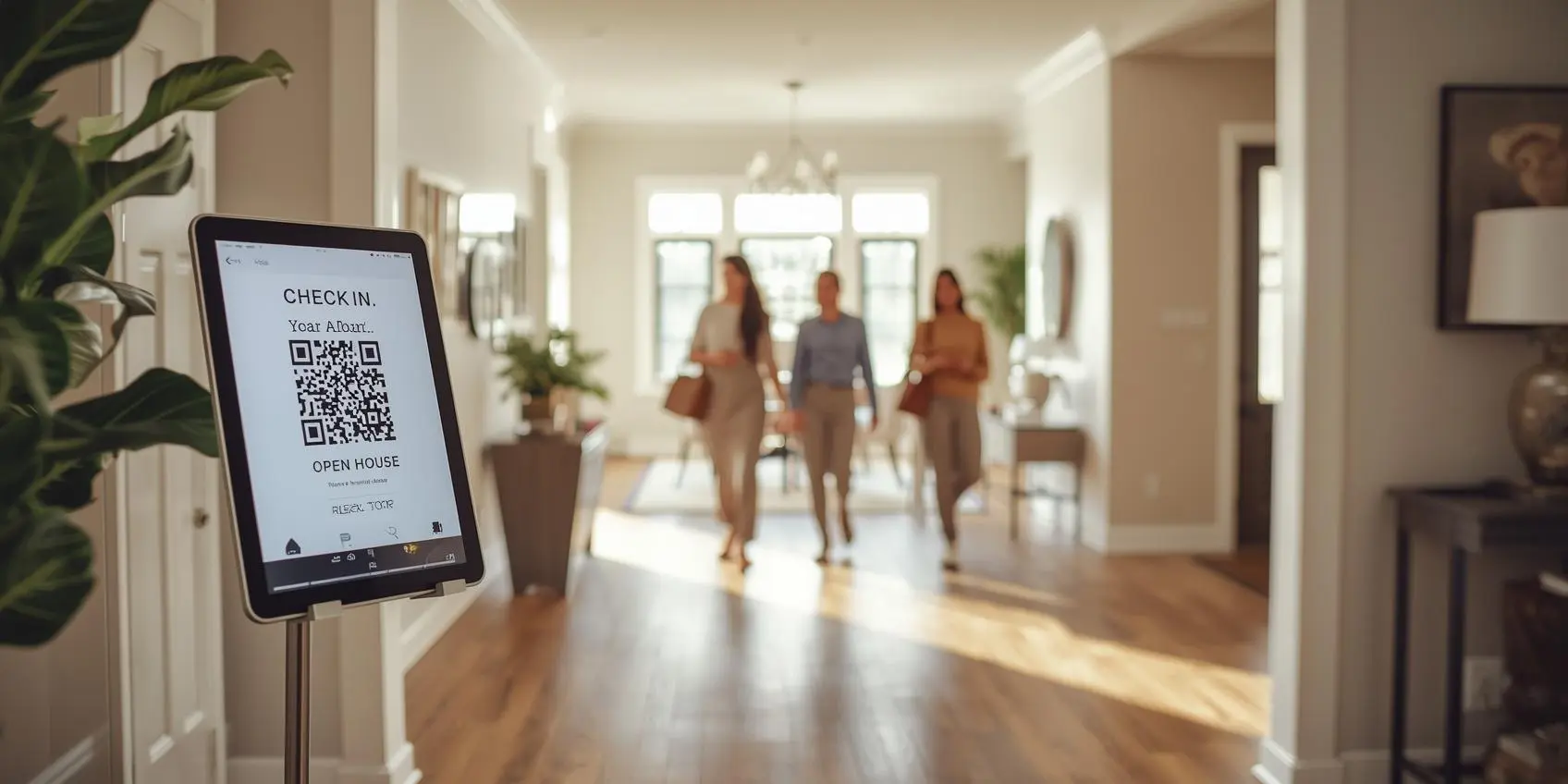
How to Run High Performing Open Houses: A Step-by-Step Framework for Agents
 By Open House Insights Team··Updated
 A successful open house does more than bring visitors through the door. It builds your active buyer pipeline, elevates your personal brand in the neighborhood and generates future listing opportunities. Many agents treat open houses as passive weekend routines, resulting in sparse turnout and unverified contacts. A well-structured operational framework turns the same event into a predictable driver of high-intent buyers.
This guide outlines a tactical framework for your next listing, covering physical pre-event staging, strategic directional signage placement, digital check-in protocols, on-site visitor flow management and rapid follow-up workflows.
Prepare the Home and Physical Environment
Physical preparation directly impacts buyer perception and event turnout. Staging the space for natural visitor movement creates an inviting atmosphere that encourages attendees to linger longer and ask meaningful questions.
On-Site Preparation Checklist
- Lighting Temperature: Set all interior lighting to a warm 2,700K–3,000K color temperature to eliminate harsh shadows in photos and during in-person walkthroughs.
- Traffic Path Staging: Clear entry corridors and arrange furniture to establish a single continuous loop through main living areas, avoiding front-door bottlenecks.
- Aperture & Sightlines: Open window blinds fully to maximize natural light and highlight outdoor living features.
- Directional Signage Array: Place 5 to 8 reflective A-frame signs at major neighborhood turn points 48 hours prior to the event. Local foot-traffic tracking shows that early signage placement drives up to 58% of unprompted Sunday walk-in visitors.
- Physical Collateral Station: Set up a dedicated table near the entrance stocked with printed property feature sheets, floor plans and neighborhood comp summaries.
Increase Foot Traffic With Targeted Local Promotion
Modern buyers search on mobile devices days before attending weekend showings. Multi-channel local promotion ensures your event is visible wherever buyers are researching listings. Combine digital outreach with offline neighborhood collateral for maximum impact.
High-Yield Promotion Channels for Local Turnout
- Geo-Fenced Social Campaigns: Launch a 3-mile radius video ad on Instagram and Facebook 72 hours prior to the event (averaging a $1.40 cost-per-click compared to $4.80 for broader metro targeting).
- MLS & Agent Reverse Prospecting: Send a direct open house alert to agents with buyers actively searching matching criteria.
- Google Business Profile Event Listing: Post the open house schedule directly to your Google Business Profile to capture local organic search intent.
- Neighborhood Asset Sharing: Pair event announcements with a detailed neighborhood property guide to give prospective buyers valuable context on local amenities and school ratings.
Set Up a Digital-First Check-In Experience
Paper sign-in sheets slow down arrivals and produce poor data quality. Industry tracking indicates paper clipboards result in a 42% rate of illegible or fake contact details, alongside hours of tedious manual CRM entry post-event. A mobile-optimized digital sign-in resolves both issues.
Visitors simply scan a tabletop QR code on their smartphone to open a browser-based sign-in form. This captures verified contact details with a 91% accuracy rate while signaling that you operate a modern, technology-enabled real estate practice.
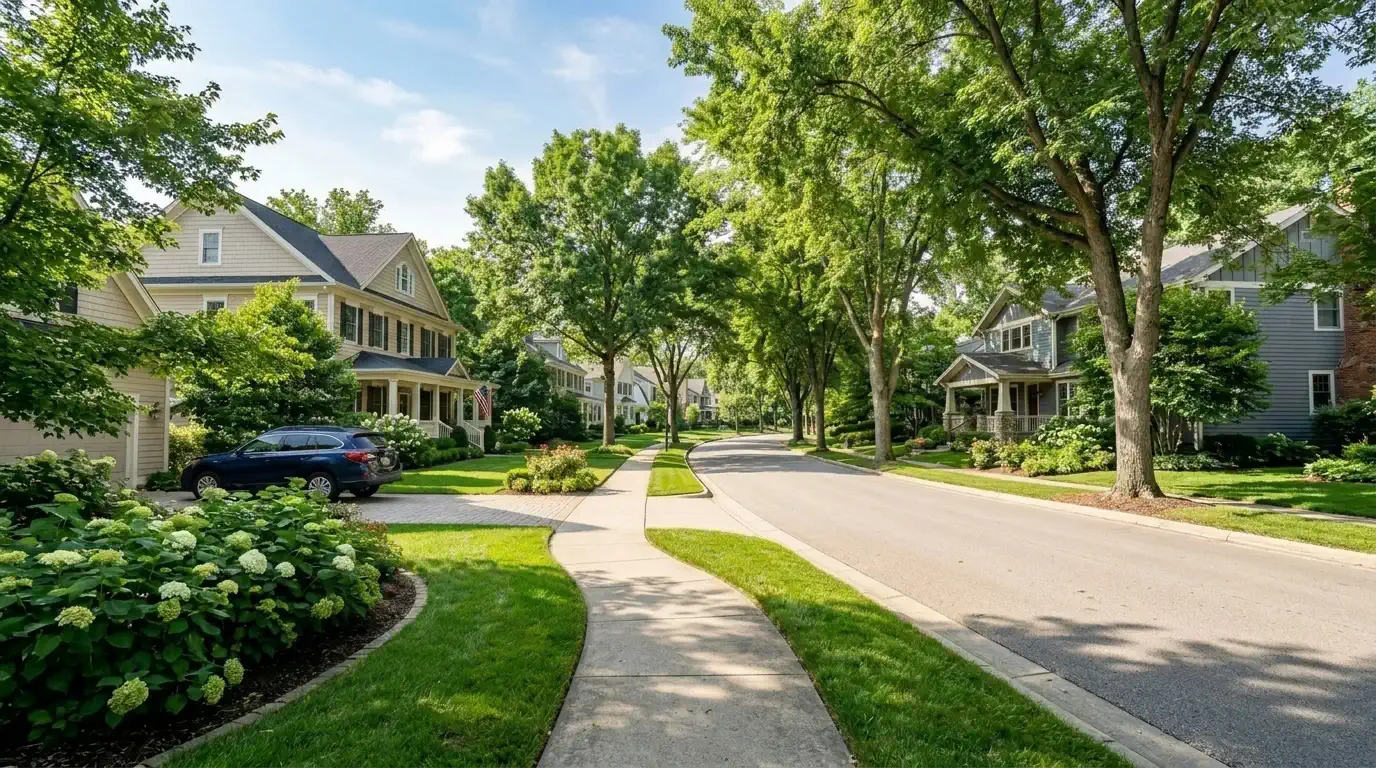
Digital check-in via tabletop QR flyer captures 91% verified contact details directly on the visitor's smartphone.
Key Intent Indicators to Capture at Sign-In
- Full name, phone number and verified email address
- Target purchasing timeline (e.g., Immediate / 30 Days / 60+ Days)
- Pre-approval status and lender representation
- Current homeownership status (Sellers looking to buy vs. First-time buyers)
- Representation status with another buyer agent
This structured data allows you to prioritize high-intent prospects before the open house even concludes.
Guide Visitors Through a Structured Flow
Once attendees complete digital check-in, guide them through a planned orientation loop. Controlling the initial flow allows you to initiate meaningful conversations without hovering over visitors.
4-Point Visitor Routing Protocol
- Welcome & Orientation: Greet visitors at the door, confirm check-in completion and hand them a printed feature sheet highlighting key upgrades.
- Self-Guided Navigation: Direct attendees along a suggested primary loop (Main Living → Kitchen → Outdoor Space → Primary Suite → Guest Rooms).
- Strategic Check-In Points: Position yourself near key focal points, such as a newly remodeled kitchen island, where natural pauses occur for questions.
- Dwell Time Optimization: Structuring visitor routing increases average visitor dwell time from 6 minutes to 14 minutes, doubling your opportunity to uncover buyer timelines and motivations.
Identify High-Intent Buyers During the Event
Open houses attract a mix of casual neighbors, curious browsers and active buyers. Identifying high-intent signals on site lets you dedicate host bandwidth where it matters most.
High-Intent Behavioral Cues on Site
- Requesting seller disclosures or property inspection reports during the visit
- Taking physical measurements of room dimensions or garage clearance
- Asking detailed questions regarding offer submission deadlines and earnest money terms
- Comparing square footage and HOA fees directly against recent neighborhood sales
- Returning to the primary suite or outdoor patio for a second walkthrough before leaving
Tag these attendees as high-priority leads immediately upon sign-in so your follow-up sequence triggers without delay.
Follow Up Quickly With a Value-Driven Sequence
Speed of outreach is the single largest variable in lead conversion. Buyers routinely visit 3 to 5 properties in a single weekend; reaching out while your listing is fresh in their memory creates a competitive advantage. Data demonstrates that contacting hot leads within 2 hours of event closing results in a 3.4x higher appointment conversion rate compared to next-day follow-up.
For a detailed breakdown of automated lead scoring matrices and multi-stage drip triggers, see our complete guide to open house lead management.
Post-Event Outreach Timeline
- Same-Day (Within 2 Hours): Send a personalized text or email thanking them for attending, paired with a direct link to the digital property packet and disclosure documents.
- Day 1 Post-Event: Deliver a custom video walkthrough or comparative market update tailored to their timeline.
- Day 3 Post-Event: Propose a private secondary viewing or offer to review unlisted off-market opportunities in the neighborhood.
Track Event Execution Metrics for Continuous Improvement
Systematic tracking transforms subjective open house impressions into actionable operational performance data. Reviewing key performance indicators after every event highlights which marketing channels and property types generate the highest return.
Core Operational Metrics to Monitor
- Walk-In Conversion Rate: Total physical visitors vs. completed digital sign-ins (Target: >90%).
- Signage Efficiency: Percentage of attendees driven by physical directional signs vs. digital ads.
- Average Visitor Dwell Time: Time spent inside the property (Target: 12–15 minutes).
- Hot Prospect Conversion: Percentage of total check-ins that qualify as pre-approved active buyers.
Leveraging AI-powered analysis tools allows you to evaluate visitor feedback trends across multiple listings and refine your pricing and staging strategies accordingly.
How a Dedicated Visitor Management Platform Fits Your Strategy
Executing a high-performing open house requires seamless coordination between physical staging, visitor sign-in, data collection and rapid outreach. A dedicated, browser-based platform brings these elements together without requiring visitors to download third-party mobile apps.
Essential Platform Capabilities
- Customizable QR flyer generation for instant on-site scanning
- Real-time buyer qualification scoring based on survey responses
- Centralized visitor roster with instant CRM sync and contact validation
- Automated post-event email and SMS notification triggers
- Comprehensive analytics reporting for seller client updates
Elevating Your Weekend Open House Execution
High-performing open houses are built on disciplined execution rather than luck. By combining strategic pre-event staging and directional sign arrays with frictionless QR check-ins and rapid same-day outreach, you convert routine weekend showings into a systematic pipeline of qualified buyers. Establishing this operational cadence ensures every open house strengthens your reputation as a market leader.
Open House Insights Team
The Open House Insights team provides operational guides, compliance strategies, and tech benchmarks for modern real estate professionals.
Ready to experience smarter visitor management?
Generate custom QR code flyers, collect qualified buyer details, and automate your follow-ups instantly. Try OpenHouseInsights for your next open home.